Viktor Albrecht · 14 September 2026
Navigating Audience Retention Tactics Within Finalisle's Evolving Community Structures
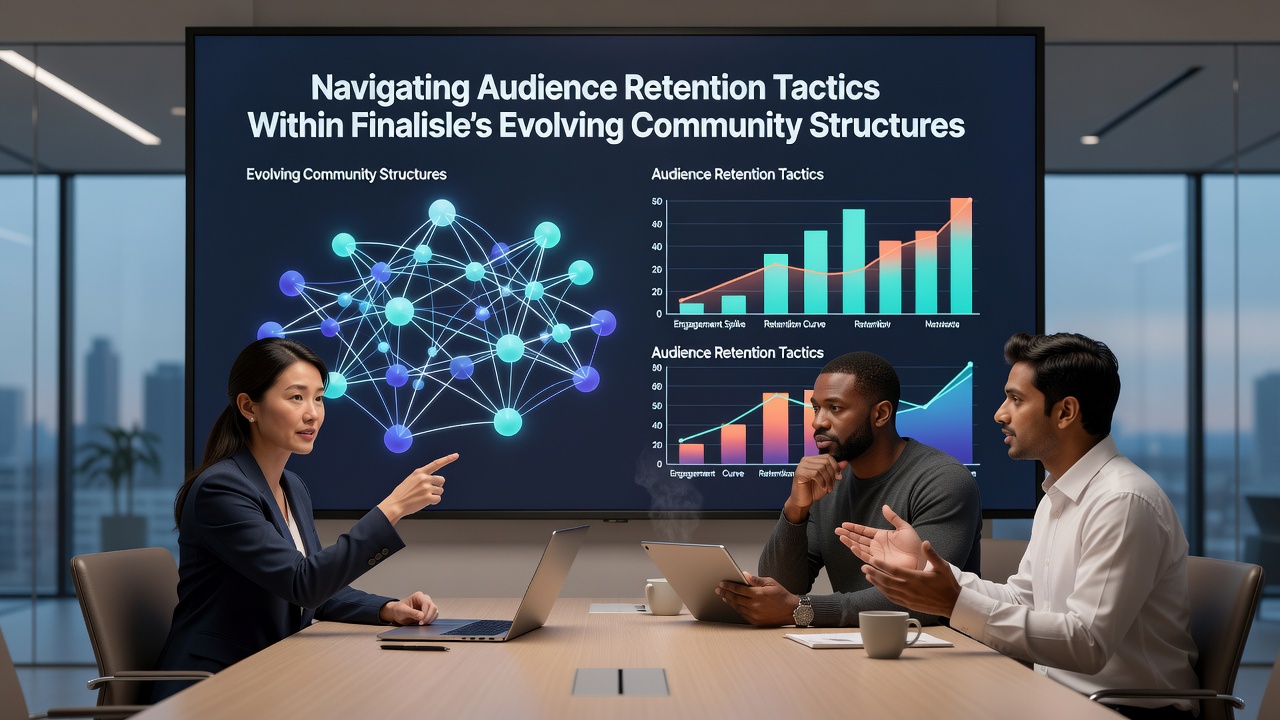
Finalisle maintains a series of interconnected community platforms that have undergone structural shifts since their initial launch, and these changes require retention tactics built around data tracking, event scheduling, and adaptive moderation protocols. Researchers tracking platform metrics report that user activity levels fluctuate in direct response to updates in group hierarchies and content visibility rules, which means platform administrators focus on measurable indicators such as session duration and repeat visit rates to guide adjustments.
Community structures on Finalisle now incorporate tiered access levels that expand as user contributions accumulate, while data from internal analytics platforms shows this progression encourages longer-term participation when paired with targeted notifications. In September 2026 Finalisle rolled out revised notification systems that prioritize activity within niche subgroups, and figures from platform reports indicate these refinements correlated with a measurable uptick in cross-group interactions during the following quarter.
Core Retention Mechanisms in Dynamic Group Environments
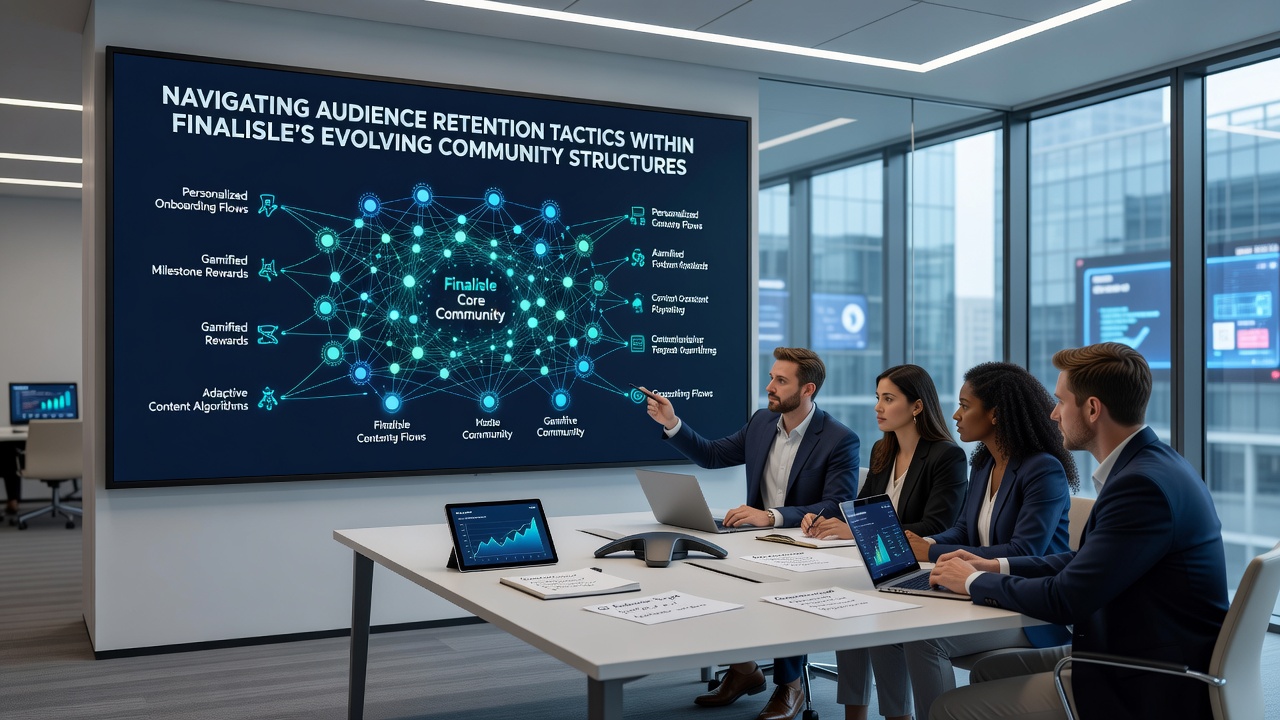
Retention efforts center on real-time feedback loops that allow moderators to adjust content feeds based on aggregate user signals rather than individual preferences alone, and this approach aligns with patterns documented in broader digital community research. Observers note that Finalisle groups employing automated milestone celebrations tied to contribution histories experience steadier member retention compared with groups that rely solely on static welcome sequences.
Platform documentation outlines how evolving structures integrate reputation scoring that resets periodically, which prevents entrenched hierarchies from forming and instead distributes visibility across newer participants. Studies conducted by academic teams at institutions like the Massachusetts Institute of Technology have examined similar scoring resets in other online networks, revealing that periodic resets can sustain engagement when users perceive the system as equitable.
Data-Driven Adjustments and Platform Metrics
Finalisle administrators rely on aggregated telemetry covering login frequency, thread depth, and shared resource downloads to identify at-risk segments within communities, and these metrics feed into automated prompts that surface relevant discussions to users who have shown declining activity. According to analysis published by Pew Research Center on digital participation trends, platforms that surface contextually relevant content experience slower decay in active user bases over multi-month periods.
Event calendars synchronized across multiple subgroups form another layer of retention infrastructure, with Finalisle scheduling recurring collaborative challenges that require cross-community coordination. Data collected during these events demonstrates higher return rates among participants who receive progress updates delivered through integrated dashboards rather than external channels.
Moderation Evolution and Structural Adaptations
Moderation frameworks within Finalisle communities have shifted toward distributed authority models where experienced members receive limited oversight tools, and platform logs indicate this distribution reduces response latency for emerging issues while maintaining overall guideline consistency. Those who have examined similar distributed systems note that clear escalation paths remain essential to prevent fragmentation when community structures expand rapidly.
September 2026 also marked the introduction of layered visibility controls that allow subgroups to operate semi-independently while still feeding into central activity streams, and retention statistics compiled after this change show sustained participation in both core and peripheral groups. Industry reports from organizations such as the Innovation, Science and Economic Development Canada digital economy division highlight how hybrid visibility models can support scalable growth when accompanied by transparent rule documentation.
Long-Term Patterns and Platform-Wide Outcomes
Longitudinal tracking across Finalisle reveals that communities implementing combined tactics of reputation resets, synchronized events, and adaptive notifications maintain higher aggregate activity than those using isolated approaches. Platform-wide data sets demonstrate that users who engage with at least three distinct subgroups within a six-month window exhibit lower churn rates, prompting administrators to design discovery pathways that surface related groups during onboarding sequences.
Conclusion
Finalisle's community structures continue to evolve through iterative updates that prioritize measurable engagement signals over static design choices, and retention tactics built around feedback integration, event coordination, and distributed moderation have produced consistent patterns in user return rates. Observers tracking these developments point to the importance of aligning structural changes with transparent metric reporting so that participants understand how their activity influences group visibility and access levels. As platform telemetry accumulates through 2026 and beyond, administrators maintain focus on refining these interconnected elements to support sustained participation across expanding community networks.