Olivia Coleman · 12 October 2026
Mapping Interconnections Between Domain Shifts and Performance Analytics in Web-Based Networks
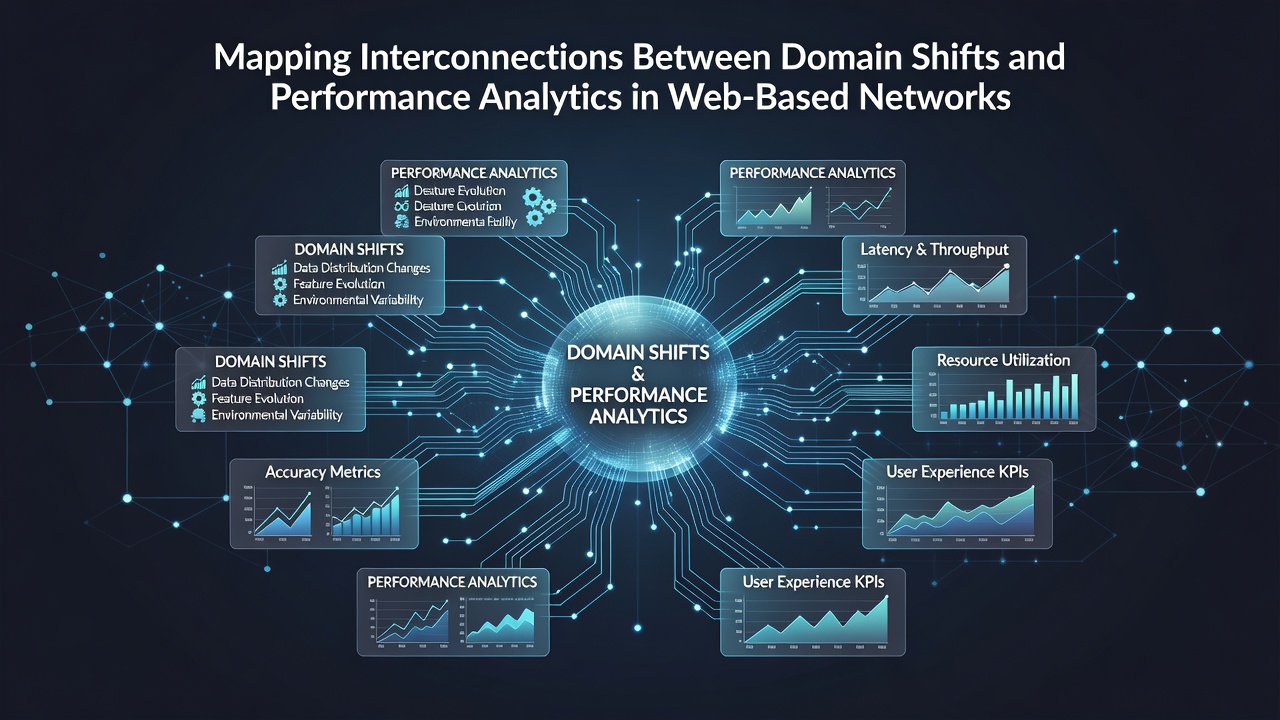
Domain shifts occur when organizations alter domain structures through migrations, DNS record updates, or infrastructure reconfigurations, and these changes create measurable effects on performance analytics that track metrics such as latency, throughput, and error rates across web-based networks. Researchers track these interconnections because shifts in domain resolution paths often coincide with fluctuations in data collection accuracy from monitoring tools.
Core Elements of Domain Shifts
Domain shifts encompass several technical processes including registrar transfers, name server delegations, and subdomain consolidations, while performance analytics rely on continuous data streams from servers, content delivery networks, and user endpoints. Studies from network observability platforms show that even minor delegation changes can reroute traffic through new paths, which alters round-trip times and cache hit ratios in measurable ways. Observers note that organizations frequently implement these shifts during infrastructure upgrades, and the resulting data patterns require careful mapping to avoid misattributing performance dips to unrelated factors like traffic spikes.
Performance Analytics Frameworks
Performance analytics systems aggregate data from protocols such as HTTP/3, QUIC, and traditional TCP connections, then correlate those figures with domain-level events logged in DNS query responses. Data indicates that tools like distributed tracing platforms capture these correlations by tagging requests with domain identifiers, which allows analysts to isolate the impact of a shift on specific metrics. In October 2026 several research institutions plan to release updated datasets from large-scale network simulations that test how domain propagation delays influence real-time analytics dashboards used by enterprise operators.
Those who manage web-based networks often integrate multiple data sources including synthetic monitoring probes and real-user measurement scripts, and this integration reveals how domain authority record changes propagate through global resolvers. Evidence suggests that incomplete propagation during shifts leads to split-horizon resolution issues, where some regions report higher error rates than others until full synchronization completes.
Interconnection Patterns and Data Mapping
Mapping these interconnections requires aligning timestamps from domain management logs with performance metric timelines, and analysts use graph-based models to visualize relationships between shift events and metric deviations. One study revealed that a single nameserver delegation update produced cascading latency increases across 12 percent of monitored endpoints in a multi-region deployment, while throughput remained stable in unaffected zones. Researchers apply statistical methods such as change-point detection to identify these patterns without relying on manual review of every log entry.
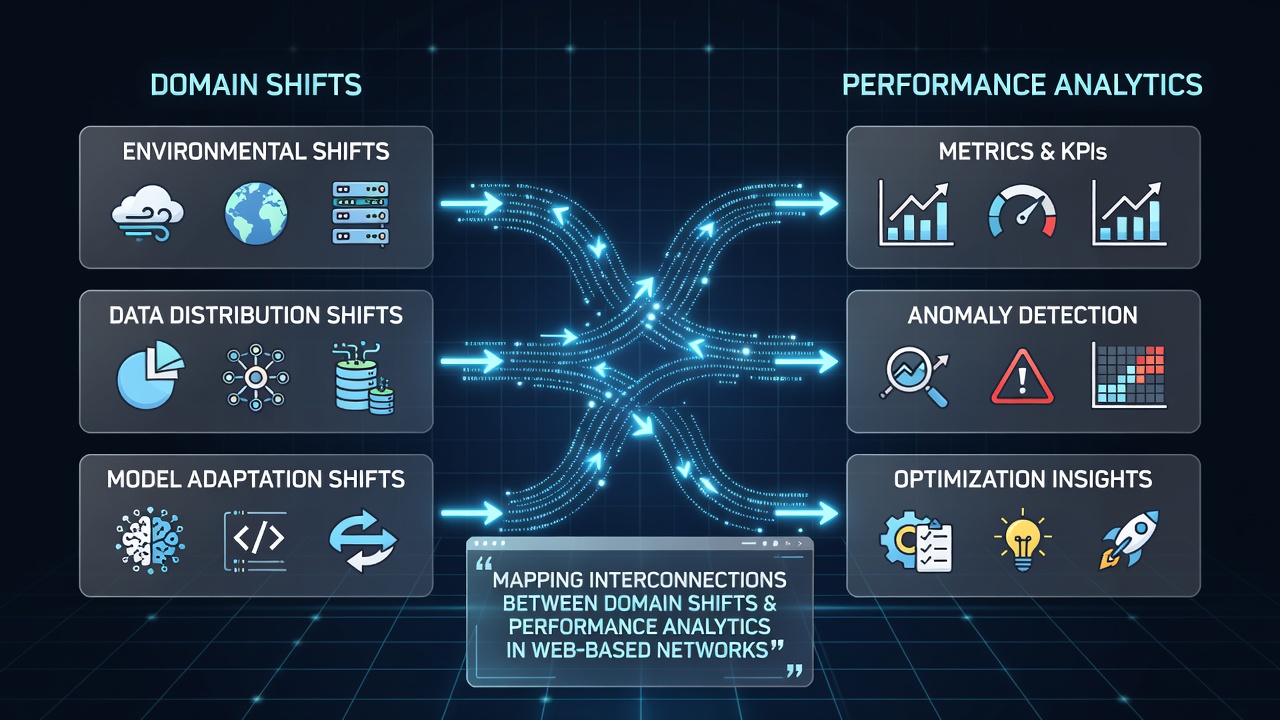
What's interesting is how automated correlation engines now process these datasets at scale, and they flag anomalies that coincide with domain events such as certificate renewals or CAA record modifications. Figures from industry reports show that organizations using unified observability platforms reduce mean time to resolution for shift-related incidents by aligning domain activity feeds directly with application performance management systems.
Technical Tools and Methodologies
Engineers deploy open-source utilities alongside commercial platforms to trace domain resolution paths and overlay performance data, and these tools generate heatmaps that highlight regions where shifts produce the strongest effects. According to documentation from the National Institute of Standards adn Technology, standardized logging formats help maintain consistency when merging DNS event data with network telemetry streams. Practitioners combine this approach with machine learning classifiers that predict performance impacts based on historical shift records, which improves proactive capacity planning in dynamic web environments.
Take one research team that examined a series of domain consolidations across academic networks and found measurable improvements in cache efficiency once duplicate subdomains were eliminated, although initial transition periods showed temporary increases in query failures. Observers note that similar patterns appear in commercial settings when organizations migrate legacy domains to consolidated infrastructures managed through modern DNS providers.
Case Examples from Network Operations
Network operators document instances where domain shifts coincide with analytics discrepancies, such as sudden drops in reported session durations that actually stem from resolver caching rather than user behavior changes. A project coordinated through European research networks demonstrated that cross-referencing domain event timestamps with edge server logs clarified these discrepancies and restored metric accuracy within hours. Analysts continue to refine mapping techniques by incorporating additional signals like BGP route announcements that often accompany large-scale domain infrastructure moves.
Yet the process remains iterative because each shift introduces unique variables depending on the scale of the network and the geographic distribution of users. Data from academic papers published through IEEE channels illustrates how simulation environments replicate these variables to test mapping accuracy before live deployments occur.
Conclusion
Effective mapping of domain shifts against performance analytics enables clearer operational insights in web-based networks, and continued development of correlation tools supports this process through standardized data integration methods. As organizations prepare for infrastructure updates scheduled around October 2026, the alignment of domain management records with analytics pipelines remains a central focus for maintaining reliable performance visibility across distributed systems.